How to Create a Cozy Atmosphere in a Bar With Private Room
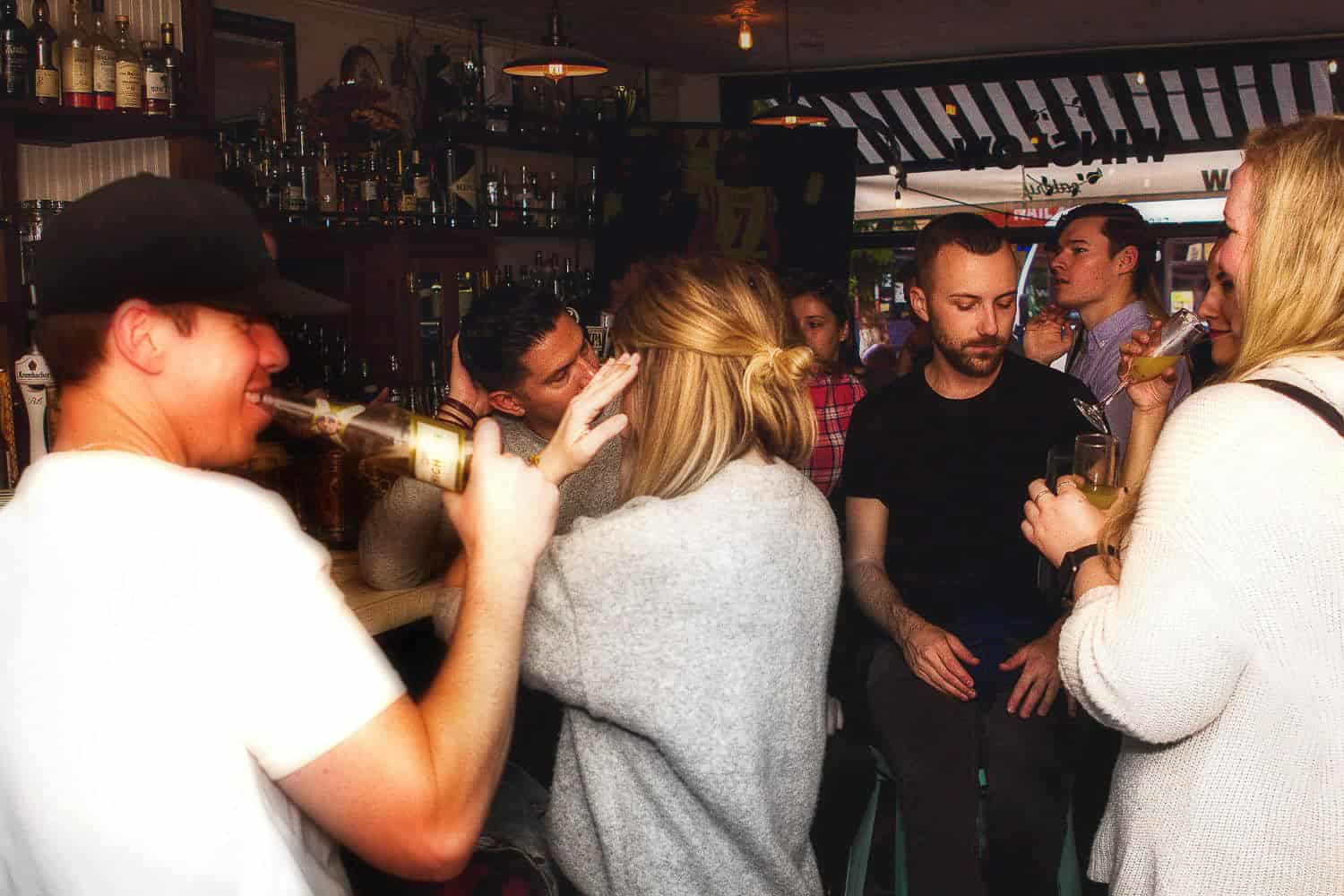
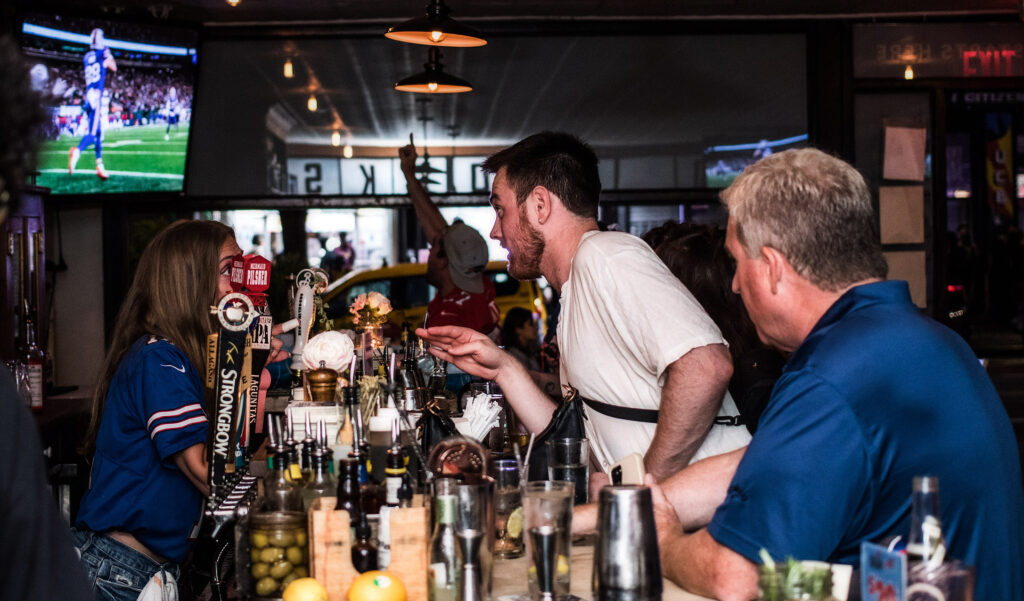

A cozy bar is rarely an accident. It is usually the result of dozens of small, disciplined choices that work together so well guests barely notice them. They just feel comfortable. They stay longer, order another round, speak more softly, laugh more freely, and leave with the sense that they found a place worth returning to.
That becomes even more important in a Bar With Private Room. The private space changes expectations. Guests want the intimacy of a tucked-away setting, but they still want the energy and confidence of a proper bar. If the room feels too plain, it reads like an afterthought. If it feels too formal, it loses warmth. If it feels disconnected from the main bar, it can seem dead on arrival.
Creating coziness in that setting is not about copying a style from a hotel lounge or buying a few lamps with amber shades. It is about managing atmosphere across light, sound, layout, service, material choices, and pacing. The private room has to feel distinct, but not exiled. Comfortable, but not sleepy. Special, but not stiff.
I have seen private rooms thrive with modest budgets and fail with expensive finishes, and the difference is almost always in the practical decisions. Guests respond to how a room behaves, not only how it photographs.
Start with the feeling you want people to have
Before touching furniture or lighting plans, decide what kind of coziness you are actually building. That sounds obvious, but many operators skip it. “Cozy” can mean several different things depending on the crowd and the business model.
A private whiskey room for eight to twelve guests should feel different from a semi-private cocktail space for birthday parties of twenty. One might lean quiet, low-lit, and conversational. The other might need a little more brightness, better sightlines to drinks service, and furniture that can shift quickly without looking temporary.
The best way to define the target atmosphere is to finish this sentence clearly: when guests walk into the room, they should feel . The answer might be “relieved,” “indulged,” “hidden away,” “celebratory,” or “comfortable enough to linger.” That one word helps you make better decisions later. Without it, operators often layer in conflicting ideas, like moody lighting with harsh music, or plush seating with cafeteria-style tables.
A good private room usually feels intentional within the first thirty seconds. Guests should understand the room immediately. They should know whether they can sink in, settle down, and speak at a natural volume, or whether the room is meant for a livelier pace.
Coziness begins with proportion, not decoration
Many people think atmosphere comes from styling. Styling matters, but proportion matters first. A private room can have beautiful finishes and still feel cold if the scale is wrong.
The most common mistake is oversized space with undersized furnishing. You see it often in converted back rooms or event spaces. The room has capacity for twenty-five, but only twelve seats are placed inside, leaving large dead areas around the perimeter. That creates emotional distance. People spread out. Sound bounces. Staff start moving with more formality because the room feels sparse. Suddenly a gathering that should feel warm feels exposed.
The inverse can also happen. Too many seats, too little circulation, and guests feel boxed in. Coziness is not crowding. People need enough room to pull out a chair, set down a drink, lean into a conversation, and pass one another without awkward choreography.
As a rule of thumb, a private room should feel lightly full when occupied at its target party size. If your best booking is twelve guests, furnish for twelve in a way that still feels balanced when only eight arrive. That may mean using banquettes along one wall, a pair of smaller tables that can join cleanly, or a central lounge arrangement with occasional chairs that can move without ruining the composition.
Rooms that feel cozy almost always have a visual center. It might be a shared table, a fireplace element, a backlit bottle display, a statement sconce wall, or simply a tight cluster of seating under warm light. Without that anchor, the eye drifts and the room feels generic.
Lighting does most of the emotional work
If I had to choose one element that decides whether a private bar room feels cozy or clinical, it would be lighting. Not just fixture style, but brightness, contrast, and control.
Warmth usually lives in the 2200K to 2700K range for guest-facing hospitality spaces. Once you get cooler than that, especially in a small enclosed room, the emotional temperature drops fast. A Bar With Private Room benefits from layered light rather than one overhead source. Overhead-only lighting flattens faces, highlights empty corners, and kills intimacy.
The goal is to create pockets of light instead of a uniform wash. Guests should be able to see each other clearly, read a menu if needed, and photograph a toast without flash, but the room should still have softness.
Here are the five layers I rely on most:
- Ambient light for general comfort, usually dimmable and indirect where possible.
- Table or surface light that gives drinks and food some glow without glaring into eyes.
- Accent light on shelving, art, or texture to give the room depth.
- Entry light that subtly marks the threshold and makes arrival feel special.
- Task light for staff service zones, kept discreet so it does not spill harshly into the guest area.
The biggest operational lesson is simple: install controls that staff can actually use. A beautifully designed lighting plan fails if the team has only one wall switch. Dimmers with preset scenes make a huge difference. Early evening may need more brightness for first arrivals. Mid-service may want the room a touch lower. Late bookings often benefit from the softest setting, especially if the room has settled into post-dinner drinks.
Candles can help, but only if they are maintained. Half-melted wax, smoked glass holders, or battery candles with bluish flicker make a place feel neglected rather than intimate. If candles are part of the plan, assign someone to check them every shift.
Sound is where many private rooms lose their charm
A room can look warm and still feel inhospitable if it sounds wrong. Acoustics are often the hidden reason a private room feels less cozy than expected.
Hard walls, bare floors, glass partitions, and empty ceilings reflect sound. That creates a strange contradiction. Guests book the room for privacy, but end up hearing every laugh, chair scrape, and ice scoop with exaggerated force. They raise their voices to compensate, which only makes the room harsher.
Softening acoustics does not require turning the room into a carpeted cocoon. It means introducing absorbent and diffusive surfaces in smart places. Upholstered banquettes, lined drapery, rugs under lounge zones, acoustic panels disguised as artwork, and timber textures can all help. Even a room with polished finishes can sound warm if enough surfaces break up reflection.
Music matters too. In the main bar, a stronger music program can create momentum. In the private room, music usually works best as a supporting layer rather than the main event. Guests gathered privately are often there to speak, celebrate, or connect. They want the room to feel alive, not loud.
I once worked with a venue that had an elegant twelve-seat private room and constant complaints about “bad energy.” The issue was not décor. It was a hidden speaker mounted too high and set too bright, pushing the same playlist volume as the main bar. https://johnathanugri003.inkharbory.com/posts/how-to-host-a-classy-engagement-party-at-a-bar-with-private-room Once the team lowered the level, shifted the EQ, and added a fabric wall panel behind the banquette, the room immediately felt calmer. Same room, same furniture, completely different guest response.
Furniture should invite people to stay
Cozy spaces make people settle in almost unconsciously. The chair matters. The table height matters. The distance between seats matters. Guests may not articulate those things, but their bodies notice immediately.
A private room should never feel furnished with leftovers. Even if the budget is tight, the seating must be selected for actual dwell time. If parties commonly spend ninety minutes to three hours in the room, choose seats that support that stay. A pretty chair with a hard seat pan and upright angle may look refined but fail by the second round.
Banquettes are especially effective in a private room because they visually soften the perimeter and help guests feel enclosed in a positive way. They also improve capacity efficiency. The trade-off is flexibility. Loose seating is easier to rearrange for mixed group sizes, but if it is too light or too scattered, the room starts looking temporary. The best mix is often a stable anchored element, such as a banquette or sofa, paired with movable chairs that are substantial enough to feel permanent.
Tables deserve the same scrutiny. A cozy room needs enough landing space for drinks, small plates, phones, menus, and the occasional gift bag or birthday cake. Tiny cocktail tables can look chic in photos but become frustrating in use. Oversized dining tables create emotional distance unless the room is built for a proper seated meal. Round tables encourage more equal conversation, while rectangular forms can feel more formal. There is no universal winner, but the room should fit the social behavior you want.
Materials should feel tactile, not precious
People often confuse coziness with luxury. They overlap, but they are not the same thing. A room can be expensive and emotionally cold. A room can also be modest and deeply inviting.
Texture does much of the work. Timber with visible grain, worn leather, matte metals, heavy linen, ribbed glass, low-sheen paint, and natural stone with movement all contribute to a sense of depth and comfort. The key is to avoid making every surface hard, glossy, or highly reflective. Too much polished stone, mirror, lacquer, and chrome can make a private room feel brittle.
Color should support warmth without becoming murky. Deep olives, tobacco, aubergine, rust, charcoal, oxblood, muted navy, and earth neutrals tend to work well, especially when layered rather than applied uniformly. A cozy room usually benefits from some tonal variation. If everything is dark brown, the room can become flat. If everything is pale beige, it can feel more hotel meeting room than intimate bar.
This is also where age can become an asset. Hospitality spaces that wear well often feel cozier over time because they gain a sense of history. Leather softens. Wood picks up subtle marks. Brass loses its sharpness. The trick is choosing materials that patina attractively rather than merely deteriorate. Guests can tell the difference between character and neglect.
Privacy should feel effortless
The word “private” in a Bar With Private Room carries weight. Guests expect some separation from the main space, but total isolation is not always desirable. Good private rooms usually balance seclusion with a faint sense of connection to the bar’s energy.
This can be managed physically and psychologically. A partial divider, curtain, glazed partition, or solid door each creates a different experience. Full enclosure offers stronger privacy and better sound control, but it can also make the room feel disconnected if there is no visual relationship to the rest of the venue. Frosted glass, slatted timber, or heavy drapery can preserve some mystery while keeping the room from feeling like a sealed box.
The threshold matters more than many teams realize. When guests enter the private room, there should be a clear transition. It can be as simple as a change in flooring, a slightly lower light level, or a framed doorway with a distinct scent and sound profile. That moment tells the guest they have moved into a special zone.
At the same time, staff access must remain smooth. A cozy atmosphere breaks fast if servers constantly interrupt the room’s flow by navigating awkward door swings, bumping chairs, or asking guests to shuffle sideways so drinks can pass. Functional circulation is part of comfort.
Service style shapes the room as much as design
Hospitality people know this well: a room can be beautifully designed and still feel wrong because the service rhythm is off. Coziness is not only physical. It is social.
In a private room, guests are especially sensitive to pacing. If staff check too often, the room feels monitored. If they disappear too long, the room feels abandoned. The sweet spot is attentive invisibility. Guests should feel looked after without feeling managed.
That usually means setting expectations early. A host or server can explain, in a natural and brief way, how the room works, where call buttons or service bells are if they exist, when food will arrive, whether the group has a dedicated server, and how drink reorders are best handled. Once people understand the rhythm, they relax.
Glassware condition, ice quality, napkin presence, and table resets matter more in private spaces because there are fewer distractions. Guests notice details quickly. A sticky side table or cluttered empty glass collection can undo the room’s warmth in minutes.
One of the most effective touches is a subtle welcome already in place before guests fully settle. A few poured waters, a small bowl of snacks, or a reserved menu presentation can make the room feel cared for rather than merely booked.
Scent, temperature, and air quality are silent influences
Some of the strongest contributors to coziness are invisible. If a private room is stuffy, drafty, or carries kitchen grease, cleaning chemical residue, or stale upholstery smell, no amount of good lighting will save it.
Temperature should sit in the comfort zone for dressed socializing, not office work. That often means slightly warmer than the main bar if the room is more sedentary and enclosed. Airflow should feel fresh but not windy. If the room has its own HVAC control, staff need training on when and how to adjust it. Guests should not have to ask for rescue after twenty minutes.
Scent is best kept understated. The room should smell clean, faintly warm, and in harmony with the beverage program. If the bar specializes in whiskey, wood, leather, citrus oils, and a trace of spice can feel natural. If it is a botanical cocktail bar, herbal freshness may fit. Artificially strong room fragrances often backfire, especially when mixed with food and alcohol aromas.
Small visual rituals make a room memorable
Cozy spaces are often defined by recurring little gestures, not giant design moves. These gestures give the room personality and make it easier for staff to recreate the mood consistently.
That might be a lamp switched on before every booking, a low bowl of fresh citrus near the bar station, a record sleeve displayed in the room if the music changes nightly, or a decanter presented on a tray instead of dropped casually onto the table. None of this has to be theatrical. It simply needs to feel deliberate.
A private room benefits from one or two features guests will remember and mention later. It could be a bookshelf wall, a house martini cart, a framed local art series, or a heavy curtain that parts on arrival. The point is not gimmick. The point is emotional texture. Cozy spaces usually have one note of charm that guests can attach to.
What to avoid when trying to make it cozy
Warmth can turn into clutter or cliché very quickly. A private room should feel edited. Too many decorative objects create dust, visual noise, and maintenance problems. Too much darkness makes guests use phone flashlights. Too much theme makes the room feel stage-set rather than lived-in.
These are the mistakes I see most often:
- Over-lighting the room because someone worries it will feel too dark.
- Filling every wall and shelf, leaving no visual breathing room.
- Using uncomfortable “statement” chairs that guests abandon after one drink.
- Treating acoustics as an afterthought until complaints arrive.
- Making the room so separate from the main bar that it loses atmosphere.
There is also a common branding mistake. Operators try to make the private room completely different from the rest of the venue. Some contrast is healthy, but if the room ignores the bar’s identity, it feels borrowed. The private room should feel like the best hidden chapter of the same story.
Budget-friendly ways to improve an existing room
Not every venue is working from a blank slate, and most are not heading into a major renovation. The good news is that coziness can often be improved with selective changes rather than a full rebuild.
Lighting controls are often the highest-return upgrade. Changing lamp temperature, adding dimmers, or introducing two or three lower light sources can transform a room in a single week. Upholstery updates come next. Recovering banquette backs or seat pads in richer, more tactile fabrics often does more than replacing an entire furniture package.
A heavy curtain can solve more than one problem at once by improving privacy, acoustics, and visual softness. A well-sized rug can anchor a lounge arrangement and calm the room acoustically. Art helps if it is scaled properly and not used as filler. Even changing table shapes can improve conversation flow and make occupancy feel more natural.
When budget is tight, spend where the guest physically and emotionally interacts most: what they sit on, what they see first, what they hear, and what they touch.
Test the room the way guests actually use it
The final step is not styling. It is observation. Sit in the room at opening, mid-evening, and late service. Bring in six people, then ten, then a nearly full group. Order drinks. Leave empty glasses on the table for fifteen minutes and see how the room feels. Close the door. Open the curtain. Turn the music up and then down. Notice where bags land, where coats pile up, where shadows hit faces, where staff hesitate.
The best private rooms are tuned over time. They are adjusted after real bookings, not finalized after a design render. A sconce might need to move. A side table may need to disappear. The room may need one less chair and one more hook. That is normal. Coziness is not a static design concept. It is an operating condition.
When a private room finally works, guests feel it before they can name it. They lower their shoulders. They lean back. Their voices settle. The room starts doing what every good bar space should do, which is make people feel more like themselves. That is the real measure of a cozy atmosphere, and it is exactly what turns a Bar With Private Room from a useful feature into a genuine advantage.
The Winslow
Address: 243 E 14th St, New York, NY 10003
Phone number: +12127777717
FAQ About Bar With Private Room
Which bars in NYC offer private rooms?
Many bars in New York City offer private and semi-private rooms for parties and events, ranging from hidden basement speakeasies to upscale lounge spaces. Top options include The Back Room on the Lower East Side, Dear Irving Gramercy, Pebble Bar in Midtown, Mister Paradise in the East Village, and The Winslow in the East Village.
What is a private room in a pub called?
A small, private seating area or partitioned booth in a traditional pub is most commonly called a snug. Larger private rooms used for events, parties, or dining are typically referred to as private dining rooms, function rooms, or back rooms.
How much does a 2 hour open bar cost?
A 2-hour open bar generally costs between $15 and $45 per person, depending heavily on the quality of alcohol you choose. For a standard group of 100 guests, this translates to an overall cost of $1,500 to $4,500 before taxes, setups, and staff gratuities.